
10 Overlooked Details When Building a Custom Home
When you’re building a custom home, it’s easy to focus on the big decisions first: flooring, cabinetry, countertops, lighting and plumbing fixtures. But some of the details that make the biggest difference in how a home looks and functions are often much smaller.
These decisions may not feel exciting during the design process, but once you’re living in the home, they become the details you notice every day.
Here are 10 commonly overlooked details worth thinking through before construction gets too far along.
1. Outlet Placement
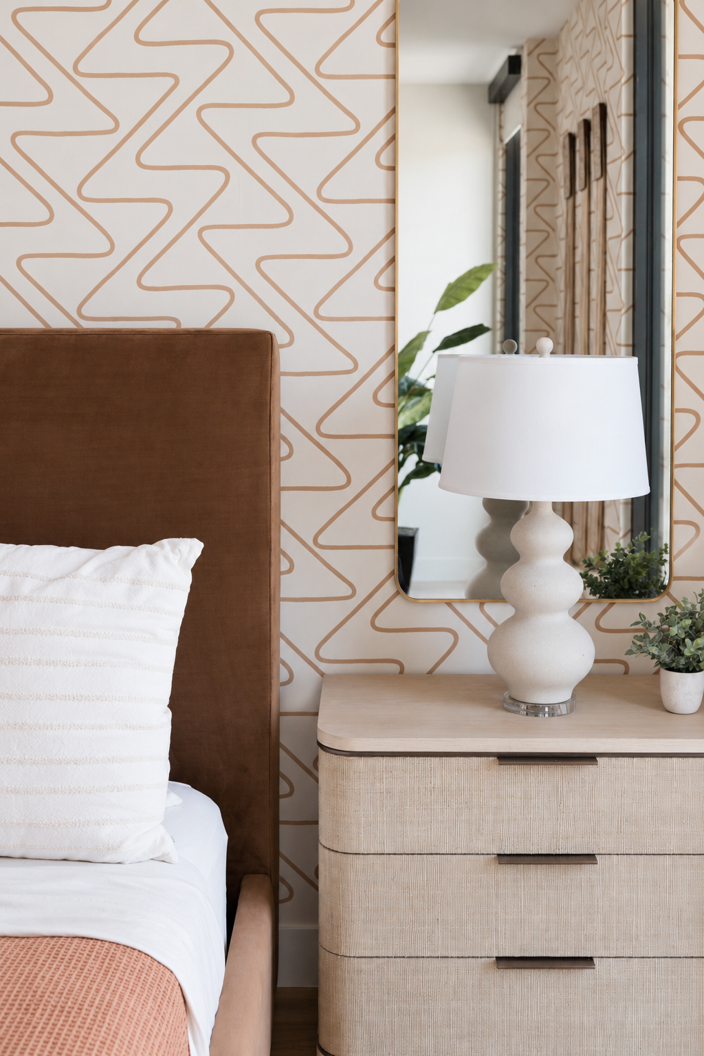
Outlet locations are one of those details you rarely think about until you need one and it isn’t there.
Beyond standard wall outlets, think about where you’ll actually use power throughout your home. That could mean outlets inside bathroom vanities, hidden outlets in kitchen cabinetry, floor outlets in large living rooms, charging drawers, or conveniently placed outlets near nightstands.
Planning these locations early helps keep cords out of sight and makes the finished space feel much more intentional.
2. Light Switch Locations
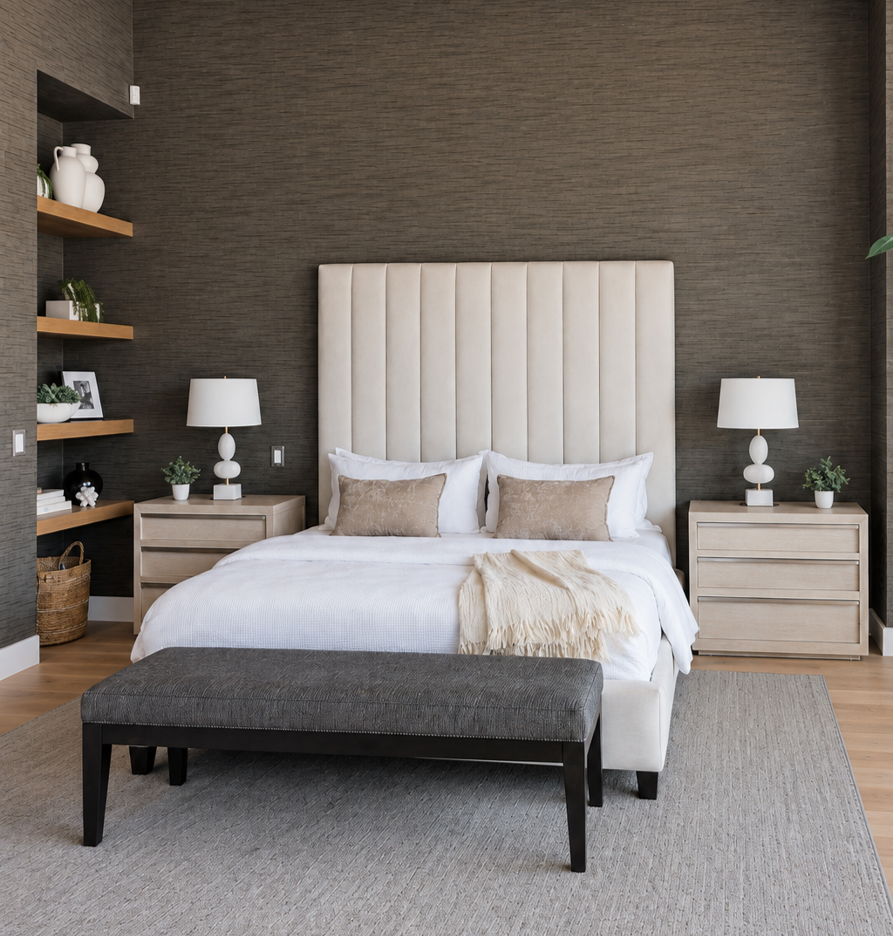
Switch placement can have a surprisingly big impact on how easy your home is to live in.
Think about the way you naturally enter and exit each room. Are switches accessible from both sides of a large space? Will you have to walk across a dark room to turn on a light?
It is also worth planning which fixtures should be on separate switches and where dimmers make sense.
Good lighting design is not only about selecting beautiful fixtures. It is also about making the lighting easy to use.
3. Sconce and Mirror Placement
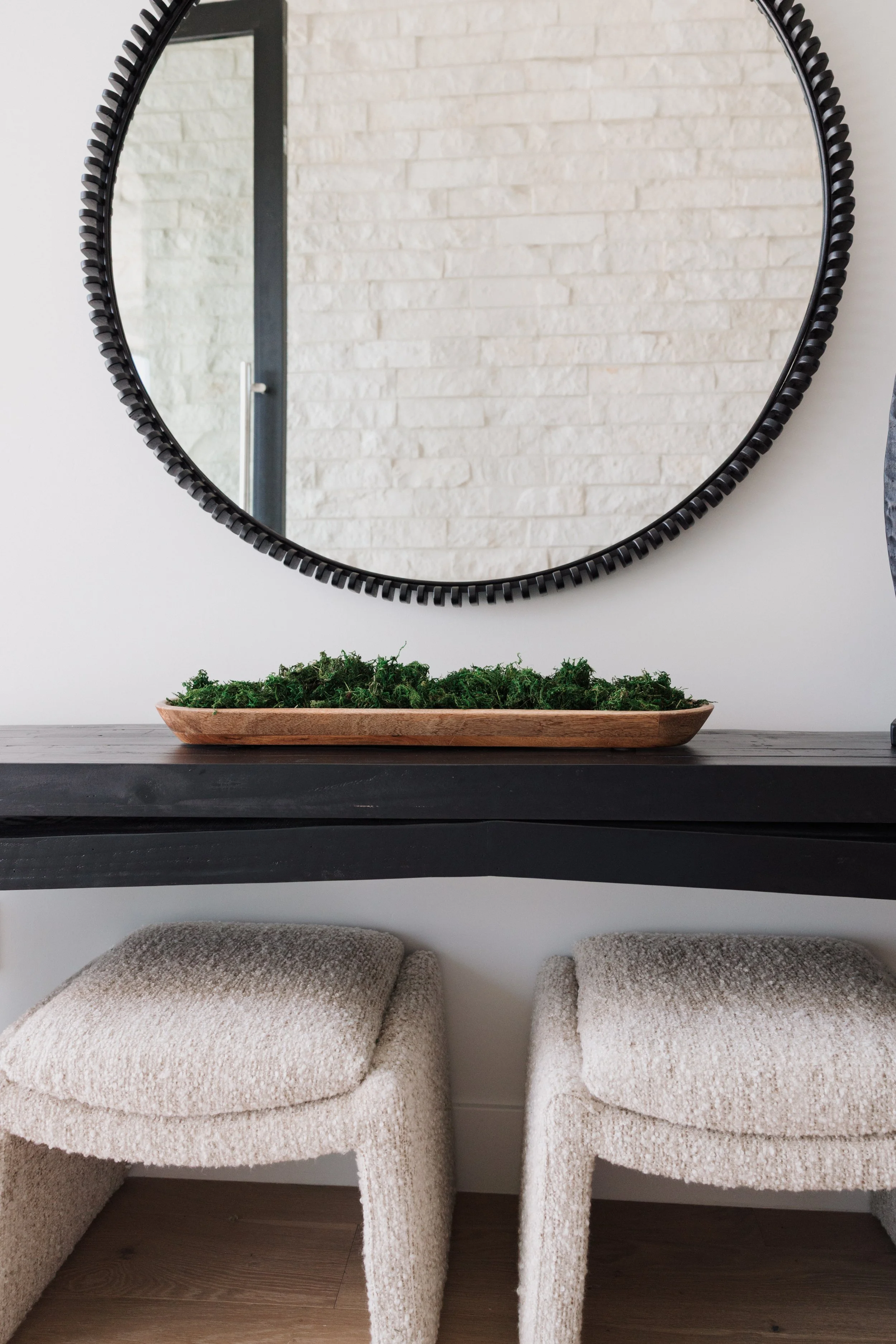
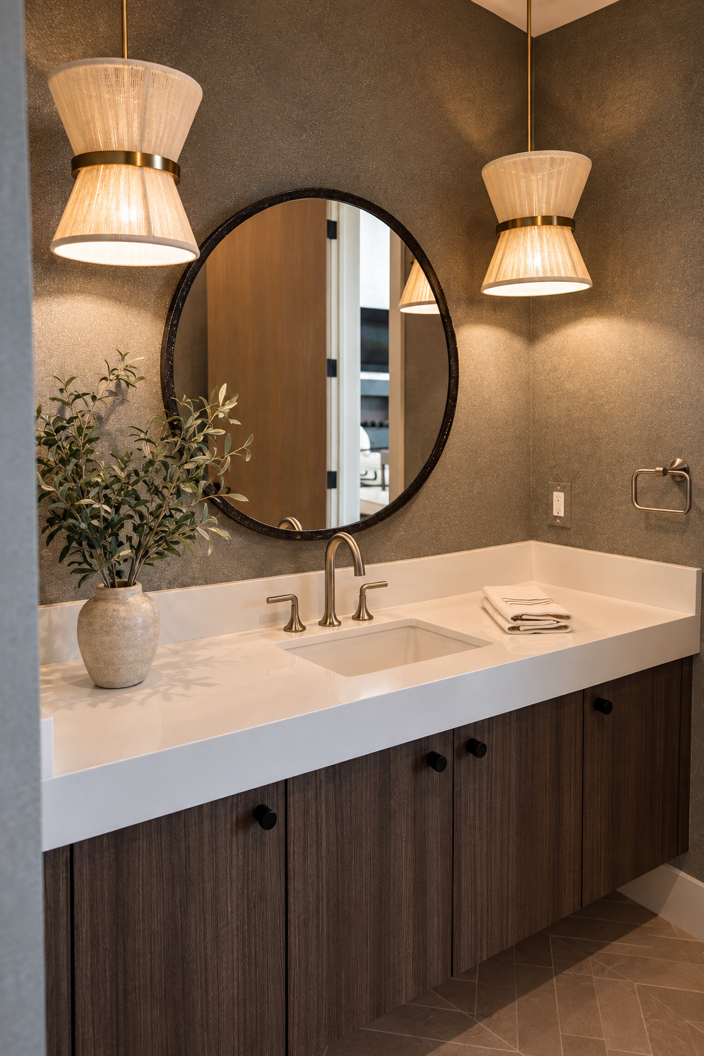
Bathroom sconces are a perfect example of why design selections and construction drawings need to work together.
The size and location of the mirror, vanity, sink and sconces all affect one another. If electrical boxes are installed before the mirror and fixture sizes are finalized, you can end up with lighting that feels awkward or off-center.
These small details are much easier to solve on paper than after drywall is installed.
4. Cabinet Hardware
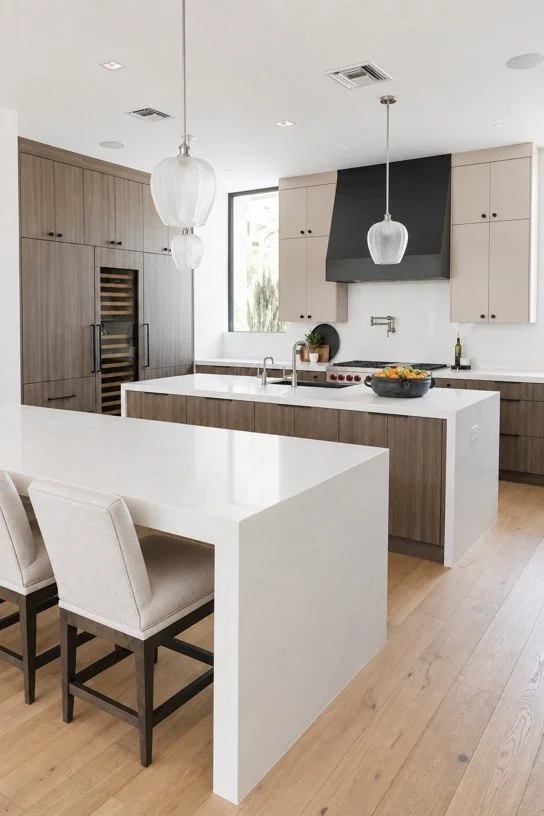
Cabinet hardware may seem like a decision that can wait until the end, but the size, finish and placement can dramatically change the appearance of cabinetry.
Longer pulls can create a more streamlined look, while smaller knobs or mixed hardware can make cabinetry feel more traditional.
Consistency is important too. Thinking through hardware throughout the kitchen, bathrooms, built-ins and other cabinetry helps the entire home feel connected.
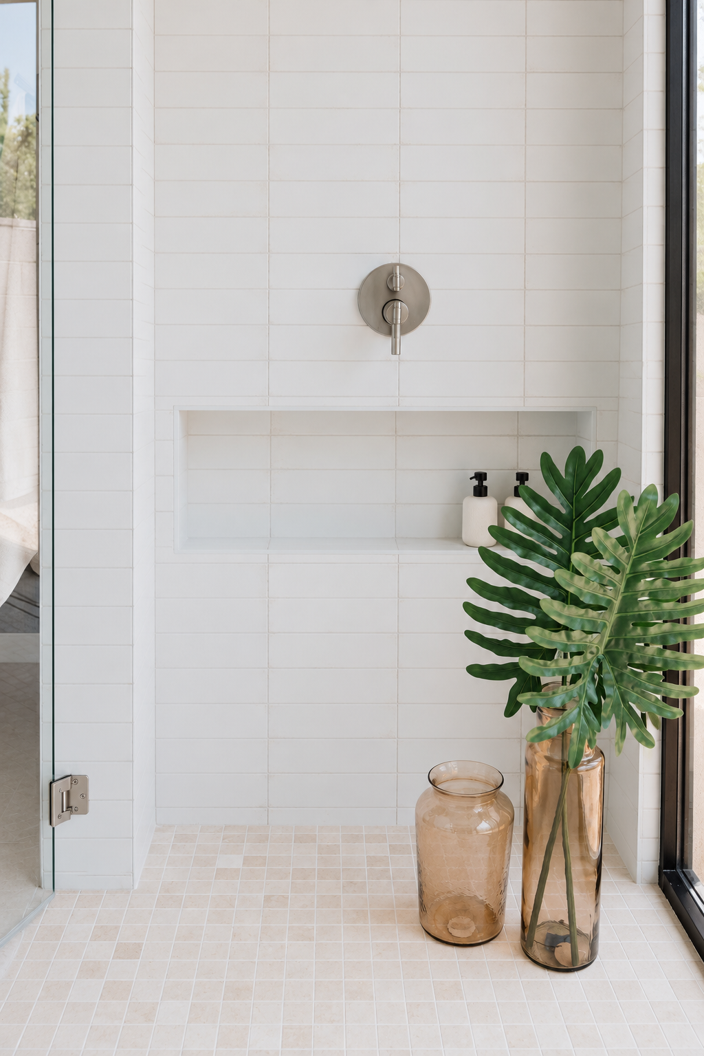
5. Shower Niches and Ledges
A shower niche needs to do more than hold shampoo bottles.
Its size, height and location should work with your tile layout and the way the shower will actually be used.
We also think about whether a niche should be hidden from the main view of the bathroom or intentionally incorporated into the design.
Planning this before tile installation makes a major difference in the finished result.
6. Flooring Transitions
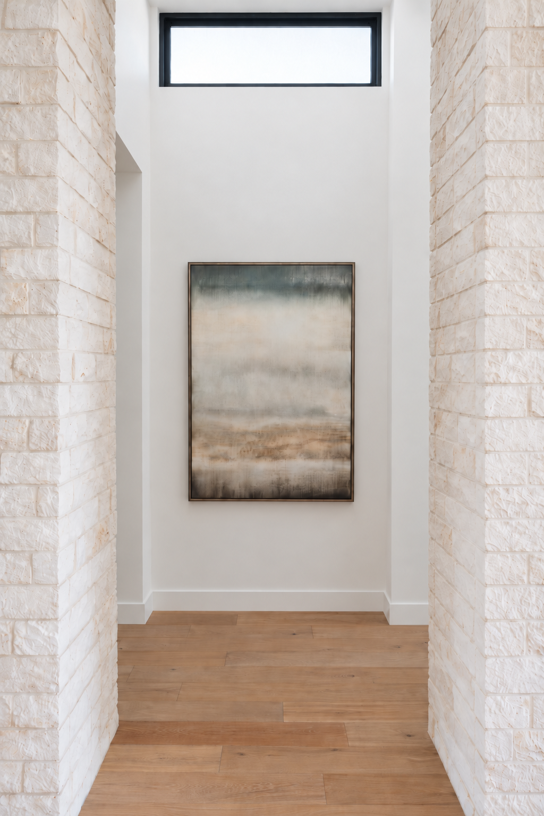
Flooring transitions are another detail that can make a beautifully designed home feel either polished or unfinished.
Where one flooring material meets another should feel intentional. This includes transitions between hardwood and tile, flooring changes at doorways and how flooring interacts with cabinetry or built-ins.
Whenever possible, these locations should be determined before installation rather than decided in the field.
7. Air Vents and Returns
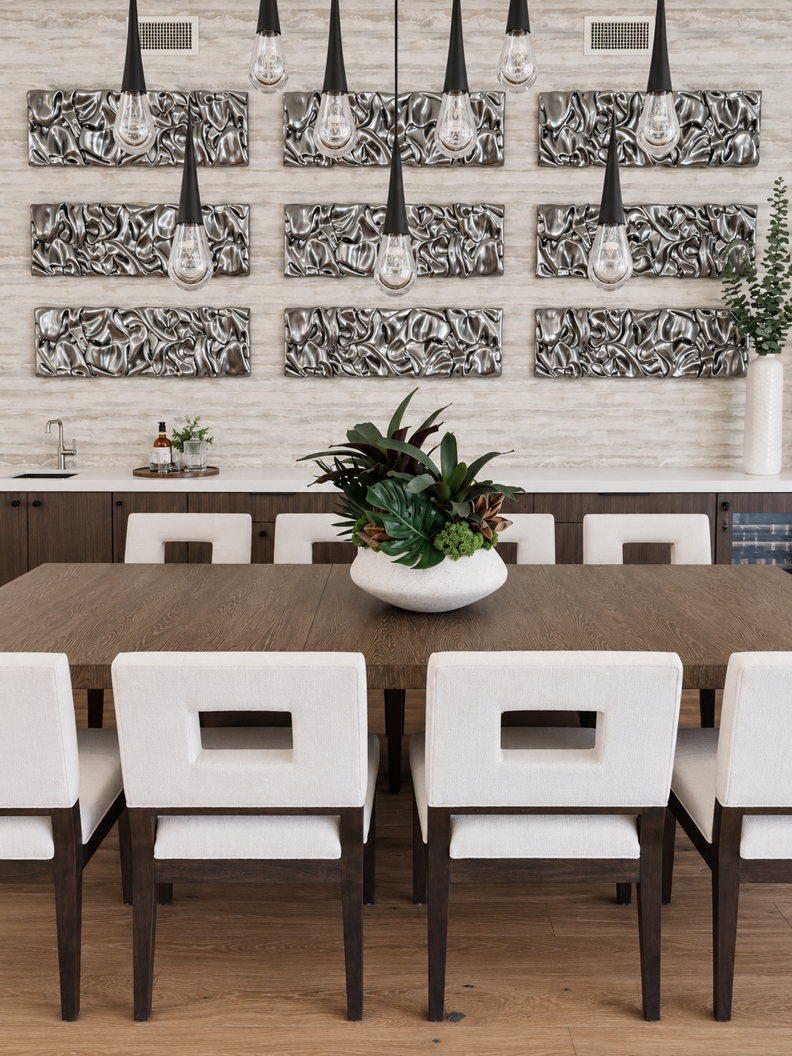
Air vents and returns are necessary, but that doesn’t mean they should become the focal point of a room.
During construction, we look at where vents will land in relation to cabinetry, lighting, furniture layouts and architectural details.
Moving a vent a few inches early in the process can sometimes prevent it from interrupting a feature wall or ending up in an awkward location later.
8. Built-In Dimensions
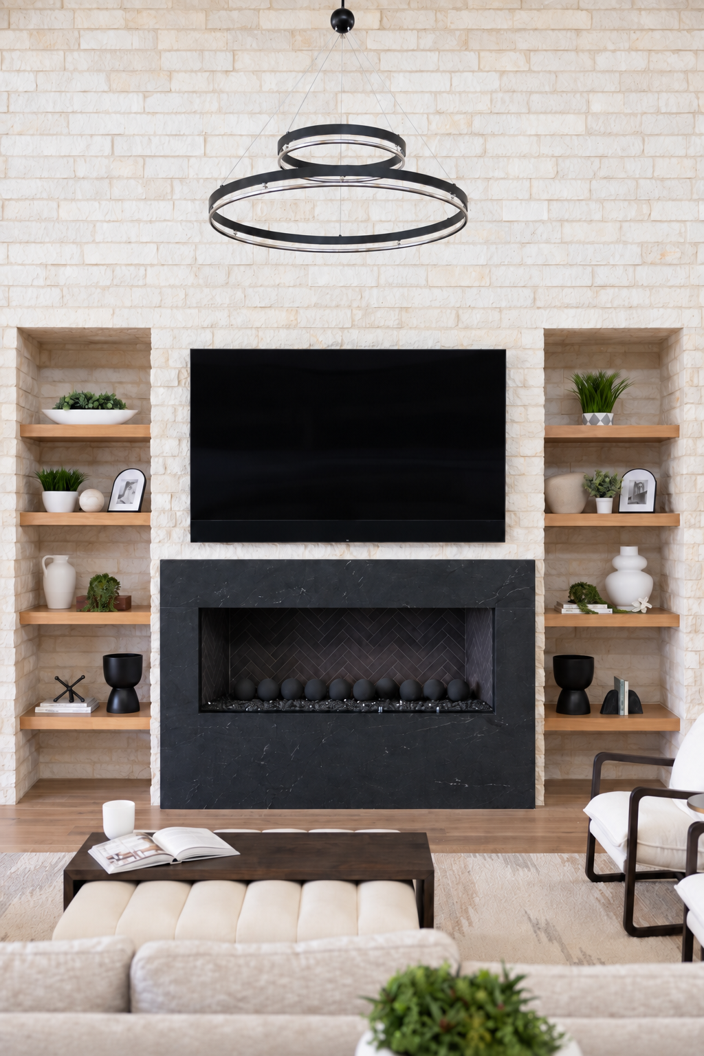
Built-ins should be designed around how they will actually be used.
If a built-in will hold a television, books, artwork, electronics or specific accessories, those items should be considered before the cabinetry is fabricated.
Depth, shelf spacing, outlet locations and even cable management all matter.
A beautiful built-in is great. A beautiful built-in that functions exactly the way you need it to is even better.
9. Pendant Placement
Pendant lights can completely change the look of a kitchen, but their placement requires more thought than simply centering them over an island.
The size of the island, number of pendants, fixture dimensions and sightlines all need to work together.
The goal is to create balance without overcrowding the space or making the fixtures feel undersized.
This is one of the reasons we like to finalize decorative lighting before electrical rough-in whenever possible.
10. Drapery and Window Treatments
Window treatments are often selected toward the end of a project, but they should be considered much earlier.
If you know you want drapery, it is helpful to think about where the rods or tracks will mount, how much wall space is available around the windows and whether architectural details will interfere.
In some homes, we may even plan blocking inside the walls so window treatments can be installed exactly where we want them.
The Small Details Are What Make a Home Feel Thoughtful
Building a custom home involves hundreds of decisions, and not every decision is as exciting as choosing countertops or tile.
But thoughtful design is often found in the details most people never consciously notice.
When outlets are exactly where you need them, lighting feels balanced, cabinetry functions properly and architectural details line up correctly, the home simply feels better.
At Ashley Marie Interiors, we work alongside homeowners and builders throughout the design and construction process to think through these details before they become problems in the field.
If you are building a custom home in Scottsdale or the surrounding Arizona area, involving an interior designer early can help create a home that is not only beautiful, but thoughtfully planned from the beginning.